
STIMULATE, IMAGINE, UNDERSTAND
EXPERIENCE MORE
IN THE NEWS
EDUCATION STARTS HERE
We here at Indigo Dispensary take pride in being community ambassadors and educators in our hometown. We feel it is our social responsibility to provide an in-depth perspective for all things cannabis.
Our level of community engagement goes beyond than your typical dispensary. We are given great trust from the people of Brooklawn. As experts, we’ll strive to keep you informed with our monthly newsletter and blogs.
THE LATEST
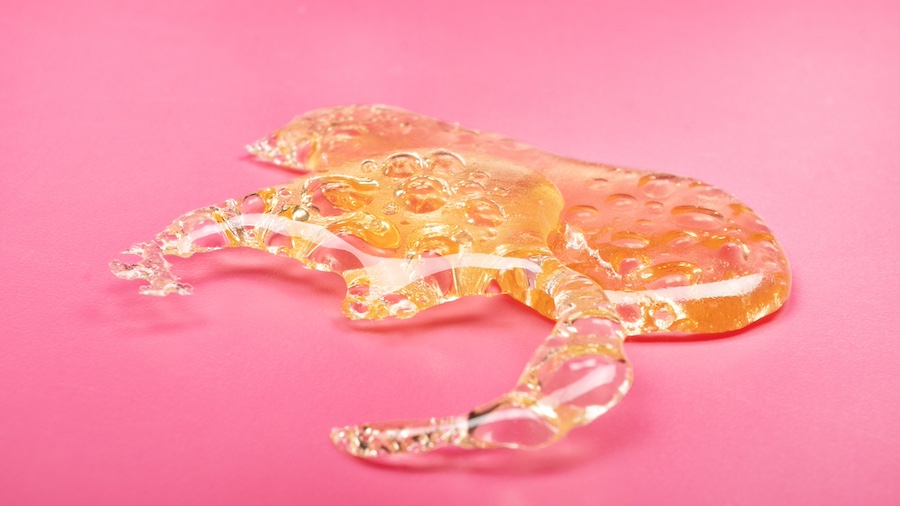
Exploring Cannabis Concentrates
Indigo Dispensary takes much pride in being the number one recreational adult-use cannabis dispensary in Brooklawn, NJ. It thrills us to provide our customers with a heightened sense of calm, relaxation, and well-being, with a substantial helping of good times.
While many people immediately associate cannabis with flower strains and big, trichome-glistening buds, these aren’t the only available cannabis products.
Instead, the above cannabis products have more potent counterparts–those being cannabis concentrates, namely shatter, oil, and wax.
Concentrates pack a memorable punch, and this can take you to places with your cannabis experiences you never expected to go. It can be a double-edged sword, though. “Too much” can quickly become a reality when you’re unfamiliar with these heavyweight haymaker concoctions.
Below, we’ll delve into tips and recommendations as you dip your toe into the exhilarating waters of cannabis concentrates.
Understanding Cannabis Concentrates
Trichomes are the microscopic, crystal hairs covering cannabis plants, surrounding the budding flower, and producing cannabinoids [1].
Multiple varieties of trichomes are present and can be extracted, resulting in cannabis concentrates containing substantial amounts of THC (the psychoactive component of cannabis).
Several methods entail the concentrate consumption method, including vaping and dabbing, but we’ll delve more into that topic momentarily.
Concentrates can be produced with modern equipment by applying multiple methods, such as:
- Water-based processing.
- Utilizing nonflammable carbon dioxide solvents.
- Using flammable solvents (e.g., lighter fluid, ether, alcohol, or propane).
- Combining pressure with heat.
- Dry ice processing.
- Dry processing.
Flammable solvents tend to yield the highest THC levels with the longest-lasting effects. Plus, the process is functionally sound and cost-efficient. The most commonly used solvent is butane, known for extracting butane hash, the most hard-hitting cannabis concentrate.
The Broadness Of Cannabis Concentrates
There isn’t only one type of cannabis concentrate–it’s an umbrella term for a wide range of products extracted from the cannabis plant.
Concentrates and extracts are often used interchangeably (we’ll be doing that), but many passionate enthusiasts apply separate definitions to both.
Extracts are characterized as being produced via non-solvent methods.
A dab is something some believe is solely produced from butane hash oil (or shatter), but many will use the term for many other extract types.
Other post-production methods contribute to different forms and variations of concentrates.
Another concentrate type is wax, reported by some sources as the purest cannabis form around, reaching up to 99.7% pure THC [2].
What Are The Primary Benefits Of Cannabis Concentrates?
In cutting to the chase, we’ll say it plainly: cannabis concentrates hit hard, and they hit fast. There’s no two ways about it. They are not for the weak at heart or people who want to dabble with some easy-going cannabis.
None of that is to say cannabis concentrates aren’t an absolute blast. They very much are–if they suit your preferences and you’re strategic with your doses.
You also have multiple options for consumption, such as vaping, edibles, and dabbing.
Recreational consumers seeking therapeutic benefits might get the results they desire from concentrates like shatter. The heightened THC levels contribute to a more cerebral experience, which can help with anxiety and depression symptoms [3].
Consumption Methods And Tools
Dabbing requires a device called a rig, which can be a tube of glass/quartz called a straw, or it could be electric. Generally, dab rigs have a “nail” attached to them.
Here’s a concise breakdown of how to use a dab rig:
- Secure your nail to the dab rig.
- Heat the element with your torch, applying it directly to the nail.
- Allow the nail to cool so the heat disperses through it. Let it cool twice as long as you heat it.
- Apply the dab to the nail with your dabber.
- Slowly inhale after covering the carb cab.
Vapes are less labor-intensive than dabbing and come in pen, desktop, and portable forms. They come with cartridges filled with concentrate, reaching a heat necessary to vaporize the concentrate soothingly. It’s far less harsh than other methods.
You can also infuse concentrates into edibles. In this instance, consider these tips:
- Pair edibles with the appropriate dishes (strong ones like RSO won’t be good in savory dishes but go well with sweeter offerings).
- Use canola or vegetable oil (or another high-fat oil) as an infusing base.
- Be sure to calculate your dosage correctly due to the strength of the concentrates.
Concentrate Dosage Guidelines
We’ll stress once more the vast potency of cannabis concentrates and the need to approach them with caution. Start small and gradually increase as you get used to it.
This strategy is known as “gradual titration,” meaning seeing how your body reacts to a drug by slowly increasing your dosage amount.
Note how the recommended edible dose–at most–is 10 mg of THC for gradual titration. However, portioning this amount of dabs isn’t an option.
A concentrate with 800 mg of THC–which isn’t uncommon–would yield a 25mg dose for a dab the size of a peppercorn.
We suggest slightly heating your concentrates to make positioning easier and help you estimate the approximate dab size better.
Enjoying Social Activities With Concentrates
Enjoying cannabis concentrates in a social setting can be its own complicated notion. The heavy impacts of these products can yield varying results amongst a crowd. Be careful if you’re sharing with novices. Provide disclaimers and warnings, and ensure everyone is cautious and safe in their dosing approach.
We suggest our Kind Tree Chemlatto live resin dablicator if you’re hanging out with pals because of the happy feelings and fun it produces.
Conclusion
Concentrates are a powerful subset of cannabis products, packing a heavyweight potency punch. They come in many shapes and forms (wax, shatter, oil, etc.) and can be enjoyed in multiple ways (i.e., dab rig, vape, and edibles).
We sell high-quality concentrates at Indigo Dispensary.
We rigorously comply with all state regulations and testing standards, ensuring you only get the best from us. Explore our vast cannabis menu for our top-tier concentrates and take your cannabis adventures to new and exciting heights.
Sources
- https://nida.nih.gov/publications/drugfacts/cannabis-marijuana-concentrates
- https://www.ihs.gov/california/tasks/sites/default/assets/File/BP2014-3_MarijuanaWax_Palacios.pdf
- https://westwindrecovery.com/recovery-blog/dangers-and-side-effects-of-the-shatter-drug/#:~:text=Shatter%20drugs%20can%20have%20up,conditions%20like%20anxiety%20and%20depression.
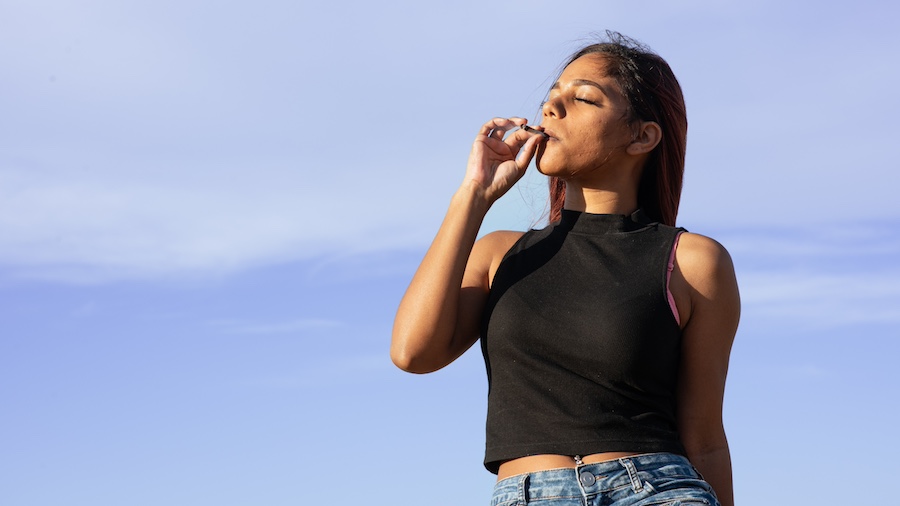
Cannabis and Creativity: How Weed Can Enhance Your Artistic Side
Throughout our time serving our surrounding community, we’ve witnessed a universal truth about cannabis firsthand. Namely, cannabis is inextricably linked with creativity and art.
Let’s cut to the chase–there’s enough iconic imagery telling the story.
Posters of musicians like Hendrix, Marley, and Snoop Dogg with burning joints hanging from their mouths live indelibly in our minds. Yet, music isn’t the only artistic pursuit cannabis enhances–it extends to visual mediums and other abstract concepts.
Read on as we guide you through how cannabis can enhance the artistic experience.
The Science Behind Cannabis And Creativity
Delta-9-tetrahydrocannabinol (THC) is the primary psychoactive ingredient in cannabis. It triggers a dopamine release in the striatum. This component of the brain directly impacts creative activities like writing [1].
Another way to assess cannabis and creativity is its impact on our mood, bringing users to a more relaxed and positive emotional place. Cannabis consumers might find their creativity bolstered, according to research from Harvard Business Review [2].
It’s not necessarily that your ideas will be better. Cannabis won’t magically turn you into Picasso, Jimi Hendrix, or Jack Kerouac. Instead, it chills you out to the point of reducing your inhibitions, encouraging you to think more creatively.
Cannabis Use And Creativity: Strains For Artistic Inspiration
Typically, sativa-dominant strains are most associated with unblocking creativity and helping users conjure fresh ideas.
According to some sources, sativa strains enable users to think divergently instead of linearly and logically. Your thoughts theoretically become more abstract and open and are conducive to brainstorming outside-the-box ideas that otherwise wouldn’t enter one’s mind [3].
One such strain is the Road Tripper KY Jealous Flower. Its uplifting effects and relaxation heighten focus and increase euphoria, all contributing to creative thinking and unique ideas.
Let’s get more specific with creative endeavors.
Verano Reserve Grape Bubblegum Flower strains lend themselves to writing due to their propensity for cerebral elevation and flexible thought. Really, though, these characteristics can lend themselves to any artistic endeavor, from sculpting to painting and graphic design. Limonese terpenes provide elevated mood and anti-anxiety properties.
Consumption Methods For Creative Expression
How you consume cannabis will impact your resulting creative expression. Smoking flower in a joint will inspire you almost immediately. Bongs will undoubtedly be more intense because of bigger tokes, which could discombobulate and halt your idea output. Of course, it depends on your tolerance levels.
Vaporizing is more controlled and precise. This can vibe with some cannabis enthusiasts who need to feel a bit more in control, but those who prefer a bit more chaos might not respond as well to vaping as they would smoking.
Edibles are ideal for marathon creative sessions. At first, they can hit hard and be overwhelming, veering you off course (depending on your dosage). Still, eventually, you’ll settle in and hit the ground running with uninhibited creative expression.
Exploring Different Art Forms
Painting and drawing under the influence will inevitably lead to you experimenting with different colors and techniques. You’ll make connections you previously never made and have abstract ideas that yield previously untapped results.
The same notion applies to sculpting and other hands-on mediums. You’ll be more attuned to tactile sensations, generating exciting results you never thought you’d achieve.
Cannabis and music almost go hand in hand. Cannabis alters our timing and affects the pleasure centers of our brains. It makes our interactions with music more complex, whether listening, playing an instrument, singing, or performing dance movements [4].
We’ve already spoken about cannabis’s impact on writing. Since sativa strains open our minds, it is likelier for us to experiment with and appreciate different styles and genres. Poets and songwriters might be more inclined to write novels, and vice versa, for instance.
Tips For Creative Cannabis Use
There’s one universal tip that will help you optimize your creative cannabis usage: Know your limits.
Those new to cannabis should start low and steadily increase their dosage until they find their optimal amount. Having too much, too fast, will send you into a state of anxious panic or lock you to your couch. It won’t spearhead creativity as it should.
Also, be mindful that some strains and dosages can get you thinking creatively. But you also need to maintain your focus.
All the outside-the-box thinking in the world won’t amount to anything if you can’t get pen to paper. Ensure the cannabis you consume won’t be too distracting and destabilizing.
Personal Stories Of Creativity And Cannabis
Seth Rogan, one of the quintessential comedy writers and cannabis advocates of our times, is known for continued cannabis use while on the job [5].
You could probably count on your fingers the number of musicians who don’t partake in cannabis. It’s hard to say whether cannabis directly impacts their creativity. However, would–say–Snoop Dogg be the D-O-Double-G we’ve come to know and love if he wasn’t so influenced by cannabis culture?
Preeminent, revolutionary artists like Pablo Picasso and Salvadore Dali were also known to partake in cannabis. The same goes for Oscar Wilde and many more [6].
We can’t say cannabis is the reason these people are or were artists. We can say there’s a link between cannabis, artistry, and creativity.
Responsible Consumption And Legal Considerations
Cannabis is a beautiful way to tap into your more creative lines of thinking.
There remains the need to stay responsible with your usage. That means not overdoing it and never operating a vehicle or heavy machinery under the influence.
Also, be aware of New Jersey’s state regulations for cannabis.
Yes, adult-use cannabis is legal in the state, but it’s illegal on the federal level. So, knowing the various laws and their intricacies is crucial to staying out of trouble and creating a safe and legal environment.
Conclusion On Cannabis Use And Creativity
Will cannabis turn you into the next Picasso or Jimi Hendrix? Not necessarily. However, the effects of various sativa and hybrid strains can relax and un-inhibit your mind, unlocking creative thoughts you previously never could have accessed.
Explore your creative expressions (responsibly and mindfully) by navigating the vast cannabis menu at Indigo Dispensary.
Sources
- https://examine.com/articles/does-marijuana-actually-boost-creativity/#:~:text=The%20main%20psychoactive%20ingredient%20of,writing%20(and%20also%20addiction).
- https://hbr.org/2022/10/research-does-cannabis-really-make-you-more-creative
- https://getgoodtree.com/sativa-effects-for-creative-thinkers/#:~:text=Sativa%20Effects%20for%20Boosting%20Creativity&text=Instead%20of%20thinking%20logically%2C%20they,not%20otherwise%20come%20to%20mind.
- https://solisbetter.com/8-ways-cannabis-makes-music-better/#:~:text=One%20theory%20goes%20that%20since,a%20note%20by%20note%20experience.
- https://www.independent.co.uk/life-style/seth-rogen-weed-wife-interview-podcast-b2298223.html
- https://www.missourimarijuanacard.com/post/did-you-know-these-artistic-geniuses-used-cannabis
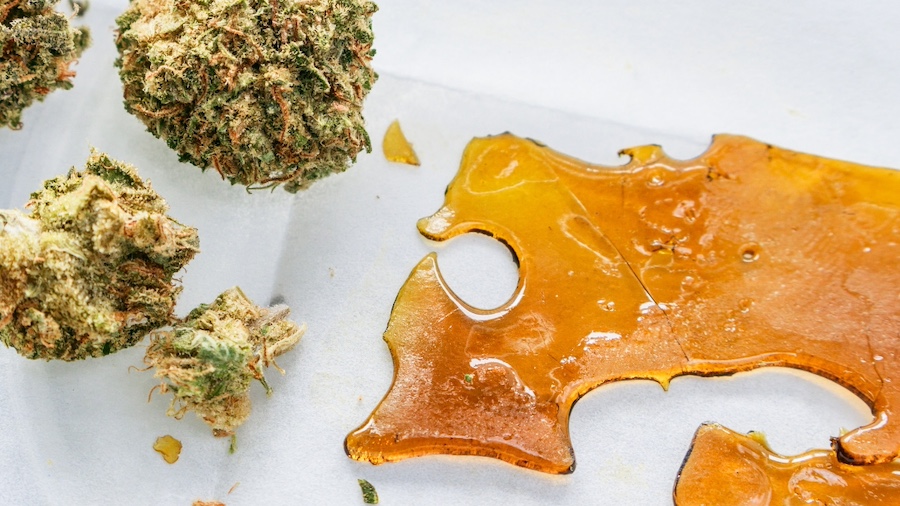
Introduction to Cannabinoids
Welcome to the intriguing realm of cannabinoids, the remarkable compounds that are integral to the cannabis plant’s essence and the experience it provides.
These naturally occurring chemical powerhouses are not only key to the plant’s growth and survival, but they also play a significant role in their interaction with the human body, offering a spectrum of effects ranging from therapeutic to psychoactive.
As the cornerstone of the plant’s complex chemical blueprint, cannabinoids have become a focal point for both medical research and adult-use enjoyment.
At Indigo Dispensary, we prioritize a deep understanding of these vital compounds. This guide is meticulously crafted to be an expansive introduction, providing you with essential insights into the fascinating world of cannabinoids.
Whether you’re seeking relief, relaxation, or simply a better understanding of cannabis, our guide is the perfect starting point.
Types of Cannabinoids
In the diverse world of cannabinoids, various compounds with unique characteristics and effects stand out.
Tetrahydrocannabinol (THC)
Tetrahydrocannabinol, commonly known as THC, is the primary psychoactive component of cannabis, renowned for eliciting the quintessential “high” that has both colored cannabis culture and spurred scientific inquiry.
This potent cannabinoid binds to receptors in the brain, precipitating a range of effects from heightened sensory perception and euphoria to relaxation and increased appetite.
Its influence extends beyond recreational use, as it possesses a variety of therapeutic properties that have been harnessed for pain relief, to alleviate nausea, stimulate appetite in chemotherapy patients, and reduce intraocular pressure in glaucoma. Moreover, its psychological effects are being examined for potential benefits in treating mental health conditions such as PTSD, offering hope for alternative therapeutic pathways.
THC’s multifaceted nature makes it a compound of significant interest within the medical community, while its popularity among adult-use consumers continues to drive the evolution of cannabis products and experiences.
As the flagship cannabinoid of the cannabis plant, THC’s iconic status is matched only by its complexity and potential, which science is only beginning to fully understand and appreciate.
Learn more about THC and its benefits in our guide to THC and CBD ratios.
Cannabidiol (CBD)
Cannabidiol (CBD) is a cannabinoid that stands out for its therapeutic promise without the psychoactive effects that THC is known for. This non-intoxicating compound has captured the attention of the wellness community and scientists alike, offering a host of potential health benefits.
CBD’s interaction with the body’s endocannabinoid system has been associated with a calming effect on the brain and nervous system, which can lead to reduced anxiety and improved sleep quality. Its anti-inflammatory properties are being explored for chronic conditions such as arthritis and multiple sclerosis, and it also shows promise in the management of seizures in certain forms of epilepsy.
CBD’s versatility extends to topical applications, where it may alleviate skin conditions and provide localized pain relief. Its capacity to provide relief without a high makes it an appealing option for individuals seeking the benefits of cannabis for health and wellness purposes.
As research continues to progress, CBD’s role in preventive health care and as a natural supplement in a balanced lifestyle is becoming increasingly recognized, further solidifying its status as a valuable component of cannabis-based therapies.
Other Major Cannabinoids
Beyond these two, the cannabinoid family includes lesser-known but equally fascinating members like Cannabigerol (CBG), Cannabinol (CBN), and Tetrahydrocannabivarin (THCV).
CBG, often referred to as the “mother of all cannabinoids,” is gaining popularity for its potential to fight inflammation and pain. CBN is emerging as a compound of interest for its possible sedative effects, and THCV is being studied for its unique appetite-suppressing properties.The Endocannabinoid System (ECS)
The ECS is a complex cell-signaling system integral to maintaining bodily homeostasis. Cannabinoids interact with this system, influencing various physiological processes, thereby impacting human health and well-being significantly.
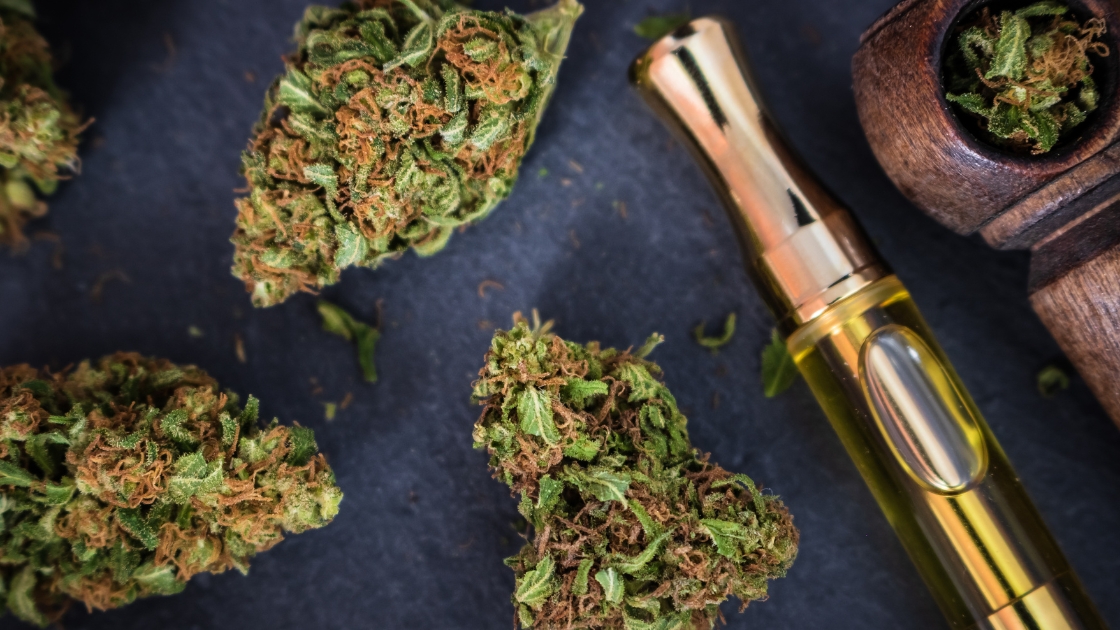
Applications of Cannabinoids
The applications of cannabinoids are as varied as they are profound, extending beyond the well-known realms of pain management, anxiety relief, and anti-inflammatory effects. These naturally occurring compounds have been shown to interact with the body’s endocannabinoid system in ways that offer a wide range of therapeutic possibilities.
For instance, cannabinoids are increasingly recognized for their potential in neuroprotection and neurogenesis. Research suggests that certain cannabinoids may help protect brain cells from damage and support the growth of new brain cells, which could have implications for diseases like Alzheimer’s and Parkinson’s.
In the realm of mental health, cannabinoids like CBD are being studied for their potential to alleviate symptoms of complex conditions such as depression and PTSD. By modulating the endocannabinoid system, cannabinoids may help to balance neurotransmitter levels and support mental well-being.
Moreover, cannabinoids are being explored for their role in modulating immune responses, which could be significant for autoimmune diseases and inflammatory conditions like Crohn’s disease and rheumatoid arthritis. The anti-inflammatory properties of cannabinoids might also make them beneficial in skin conditions like psoriasis and eczema.
Cancer treatment is another area where cannabinoids have shown promise. Some studies suggest that they may help in managing symptoms related to cancer treatments, such as nausea and pain, and there is ongoing research into their potential anti-tumor effects.
Legal Considerations
Navigating the legal terrain of cannabinoids requires vigilance and adaptability, as laws and regulations continue to shift in response to new research and changing societal attitudes. The complexities of these legal frameworks vary widely, not just from country to country, but also between states and local jurisdictions, affecting consumers and businesses alike.
For adult-use dispensaries such as Indigo, staying abreast of the latest legislative updates is essential to ensure compliance and to provide accurate information to customers. These legal parameters dictate everything from product offerings to marketing strategies and consumer education. They also impact the industry’s growth and the development of new cannabinoid-based products.
Moreover, for consumers, understanding the legal considerations of cannabinoid use is imperative. It affects how they purchase and consume cannabis products, including limits on possession, consumption venues, and travel with these substances. The evolving legal status can also influence the societal perception of cannabis, shaping how it is discussed and understood in the public sphere.
Businesses operating in the cannabis sector must navigate a patchwork of regulations concerning licensing, product testing, and safety standards. This legal backdrop also presents unique challenges and opportunities in terms of product innovation, as well as potential collaborations with researchers and healthcare providers.
As the legal landscape continues to transform, Indigo Dispensary remains committed to providing the highest level of compliance and education. We are dedicated to empowering our customers with the knowledge needed to make informed decisions within the legal framework, ensuring a safe and positive experience with cannabinoid products.
Cannabinoids and Indigo Dispensary
At Indigo Dispensary, we take pride in our meticulously curated selection of cannabinoid products, each chosen for its distinctive characteristics and potential benefits.
We understand that quality and efficacy are paramount when it comes to cannabis products, which is why we ensure that every item on our shelves meets the highest standards.
Our range of options is as varied as the needs and preferences of our customers, spanning from the classic flowers and concentrates to the more refined edibles, tinctures, and topicals.
Whether you’re a connoisseur seeking specific terpene profiles or a newcomer looking for a gentle introduction to cannabinoids, our knowledgeable staff is here to guide you through our extensive selection.
We’re committed to fostering an environment where quality, education, and personalized customer experience converge, ensuring that each visit to Indigo Dispensary is as rewarding as it is enlightening.
How to Consume Cannabis for Maximum Benefit
The journey to benefiting from cannabinoids through cannabis consumption is nuanced, with a spectrum of methods tailored to individual needs and preferences. Traditional smoking and vaping are familiar pathways, offering rapid onset of effects, while the discretion and longevity of effects from edibles appeal to those seeking a different experience.
Topicals provide localized relief, ideal for addressing specific areas of discomfort without systemic effects, and tinctures offer versatility with the ability to adjust dosages precisely.
Understanding the right dosage is crucial and can vary significantly depending on the consumption method and individual physiology. Factors such as body weight, tolerance levels, and the desired intensity of effects all play a role in determining the appropriate amount. For new users, the mantra “start low and go slow” is particularly relevant, allowing the individual to gauge their response to different cannabinoids.
Moreover, each cannabinoid can offer different benefits, so selecting a consumption method that aligns with one’s health goals is important. For instance, CBD-rich products may be better suited for those seeking anti-inflammatory effects without psychoactivity, while THC-dominant products might be chosen for their pain-relieving and mood-elevating properties.
It’s also important to consider the onset and duration of effects; inhalation methods like smoking and vaping have a quick onset but shorter duration, whereas edibles take longer to kick in but provide a more prolonged experience. Topicals are distinct in that they are typically used for direct application to the skin for localized relief and do not produce psychoactive effects.
Safety and Side Effects
While the benefits of cannabinoids are widely acclaimed, it is equally important to approach their use with an awareness of potential side effects. Just as individual bodies respond differently to substances, the effects of cannabinoids can vary widely among users.
Some may experience dry mouth, dizziness, or a temporary alteration in cognitive functions, while others might find certain cannabinoids affect their mood or alertness levels. These side effects are typically mild and manageable but underscore the importance of responsible use.
Adhering to safe usage guidelines is crucial to ensuring a positive experience. This includes starting with lower doses, particularly for those new to cannabis, and gradually increasing as needed. It’s also wise to consider the setting and timing of consumption, as well as potential interactions with other medications.
We at Indigo Dispensary strongly advocate for a dialogue between our customers and healthcare professionals, particularly for those with pre-existing health conditions or those taking other medications. Such personalized advice can help mitigate risks and tailor the experience to individual health goals and needs.
Furthermore, as the body of research on cannabinoids grows, staying informed about the latest findings can help consumers use cannabis products more effectively and safely. Indigo Dispensary commits to being a resource for education on safe consumption practices, encouraging a mindful approach to experiencing the therapeutic potentials of cannabinoids.
Future Trends in Cannabinoid Research
The future of cannabinoid research is not just vibrant; it is teeming with potential, as ongoing studies and trials continuously reveal new aspects of cannabinoid applications and their physiological effects. This burgeoning field is moving beyond the known territories of THC and CBD, delving into the myriad of lesser-known cannabinoids that hold untapped therapeutic promises.
Researchers are making strides in understanding how cannabinoids can be integrated into treatments for chronic diseases, mental health disorders, and even as part of regimens to promote general wellness.
As scientific discoveries advance, they pave the way for innovative products and therapies that promise to redefine the cannabis industry. This research is crucial for developing safer consumption methods, more targeted treatments, and personalized medicine approaches that consider an individual’s unique endocannabinoid system. Furthermore, the evolving research is instrumental in influencing policy changes, expanding legal access, and destigmatizing cannabis use.
These advancements are not just academic; they resonate through the industry, impacting cultivation practices, extraction methods, and product development, ensuring that consumers have access to the safest and most effective cannabinoid-based options.
Conclusion
This exploration into cannabinoids is just the beginning. We encourage you to delve deeper and discover the diverse, beneficial world of cannabinoids. Visit Indigo Dispensary’s menu to explore our range of products and start your journey into the heart of cannabis science.
What is the Difference Between Indica And Sativa?
When something is as stigmatized as cannabis was (and sometimes still is), matters such as specificity get overlooked.
Also, the cannabis plant has such a distinctive appearance that it’s easy to blanket. One could easily–and mistakenly–assume there isn’t much variety in the industry.
As one learns more about the plant, they’re often blown away by all the options. First and foremost, no strain mirrors the other. They all have varying cannabinoid compositions. Some are jampacked with THC, while others might be more rich in CBD, etc.
Some cannabis is flower. Other cannabis is edibles. You can also consume it as an extract or concentrate.
Really, the term “cannabis” is a broad encapsulation of a diverse world of applications and products.
No more is the above notion reflected than by the differences between indica and sativa. Specifically, your experience with cannabis will vastly differ depending on the type of subspecies or strain you consume.
Below, we’ll explore this topic in rich detail.
Cannabis Strains: The Big Picture
Different cannabis types vary in aroma, effect, and appearance. They are–as such–referred to via named variations known as strains.
Grown natively in various regions across the globe, cannabis has been cultivated to harness specific traits.
Examples of strains include something like Sour Diesel (due to it smelling like sour fuel). There’s also White Widow, named for the white resin coating the bud. Meanwhile, the heavy knockout effects of the 9-Pound Hammer strain result in its name.
The structural differences in each plant (and strain) are typically delineated as “sativa” or “indica” subspecies.
Crossbred cannabis strains are known as hybrids–the bulk of available cannabis on the legal market.
Thousands of cannabis strains exist in the world today, primarily due to the ability to create indica-sativa hybrids.
The strain you choose will vastly impact your experience.
So, it’s always worth considering what properties you prefer most in cannabis.
For instance, do you enjoy a more even THC-to-CBD ratio, or do you just want THC? Do you find pungent, earthy aromas more favorable? Do you seek a calming high or a stimulating, active high?
The above questions can go on for eons and be answered with your preferred strain or subspecies.
Indica Strains
Indica buds are shorter, with bushier greenery. The leaves are stocky, chunky, and broad, growing faster than sativa while producing more buds per plant.
Native to Afghanistan, Pakistan, India, and Turkey, indica strains have also adapted to the Hindu Kush Mountains, thriving in their often harshly dry conditions.
Cannabis of the indica variety typically provides a relaxing effect–and, as such, it’s richer in CBD than sativa strains–while stimulating the appetite, aiding sleep, and offering pain relief.
Since indica strains are so relaxing, they should only be consumed at night when watching TV, listening to music, or before bed.
While we suggest speaking with a medical professional before dosing cannabis for therapeutic reasons, indica can help with insomnia, inflammation from arthritis, nausea, PTSD, etc. [1]
Popular indica strains include Verano Mag Landrace and Cookies Quicksand.
Sativa Strains
The origins of sativa include Central America, Southeast Asia, regions of Western Asia, and Africa. All these locations are hot, dry, and have long sunny days.
Tall, thin, and sporting leaves like fingers, sativa plants can grow up to two meters in height and require a more extended maturation period than other cannabis subspecies.
Since a sativa’s high tends to stimulate the mind, offering a splash of energy, it’s known primarily for reducing anxiety. It’s also–unsurprisingly–viewed as a “daytime” cannabis.
Generally speaking, THC levels vastly exceed CBD in sativa strains, so the pain-killing effects aren’t as pronounced but still present in many cases.
Medicinally, sativa strains are often taken to reduce mental fog and lessen anxiety. They also combat fatigue.
Popular sativa strains include B52 Bomber and Jack Herrer.
Hybrid Strains
Hybrid strains mix sativa and indica, combining their aroma, effects, appearances, etc.
More than almost any singular subspecies, hybrids are made with intent–they aim to target specific effects, harnessing select strengths of sativa and indica strains.
Most often, hybrids are cultivated in greenhouses and farms. They’re primarily grown to amplify THC percentages. There’s always a unique THC-to-CBD ratio, depending on the grower’s goals.
Hybrids can help ease chemotherapy and radiation symptoms, or they can reduce stress and anxiety. It all depends on the grower’s intent.
You’ll find that hybrids are either indica or sativa dominant. They can also be an even balance of the two.
What’s most appealing about hybrids is how they can offer the best of both worlds. You can have one strain that simultaneously relaxes and stimulates, for instance, helping cannabis enthusiasts immerse themselves in entirely unique experiences.
Differences Between Indica and Sativa
Indicas have higher amounts of the terpene myrcene, a key contributor to the “couch-lock” relaxation effect synonymous with such strains. Conversely, a sativa is likelier to have more herbal, sweet terpenes (e.g., bergamotene and farnesene).
More technical details aside, the differences between the two are best encapsulated in the simplest terms. Indica is best for relaxation and vegging out. Don’t plan anything if you’re going to partake in such strains unless you need to make room in your schedule for melting into your couch.
A sativa is more suitable for socializing or partaking in activities like writing or playing music. Maybe enjoy a few puffs of a sativa joint before going somewhere for dinner or watching a movie at the theater.
Finding The Right Strain For You
What do you prefer from your cannabis experience? Do you like the idea of being stuck to your couch? Do you need to slow down from a high-octane lifestyle? In these instances, an indica strain is likely your best bet.
On the other hand, if you’re looking to enhance social outings or activities that require brainpower and engagement, choose a sativa.
Want a mixture of relaxation and stimulation? Then, you’ll likely relish consuming a hybrid strain. Such an effect could serve you well at a psychedelic rock concert, for instance.
Conclusion: Visit Indigo To Learn More About Cannabis Strains
Visit our product menu to learn more about these subspecies and strains, and be sure to leverage our rewards program to ensure you get the best deals on our products.
Sources
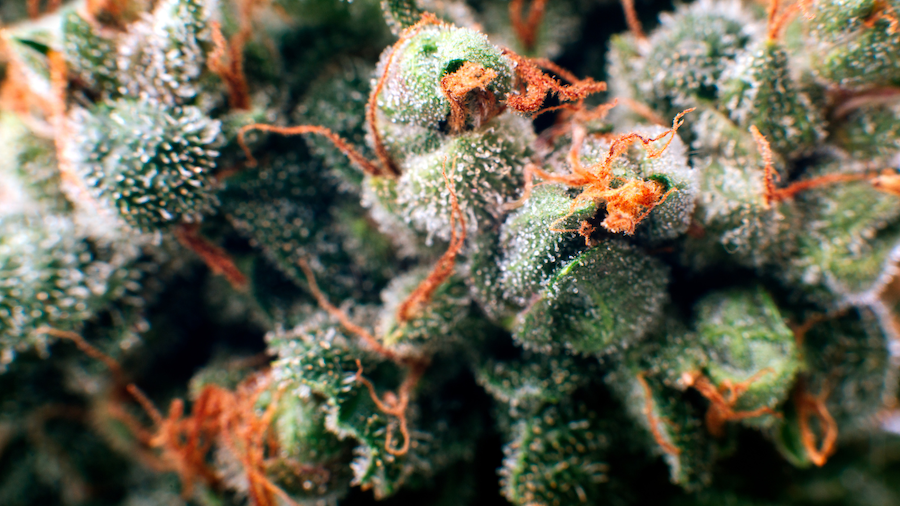
THC vs THCA: What’s The Difference?
Rewind to a time not long ago when cannabis usage existed in the shadows.
Anybody seeking use of the plant was breaking the law and had to settle for whatever bud they could get their hands on. Quality was secondary.
Fast forward to now, and things are much different.
Adult-use recreational cannabis is legal throughout many states, and–as such–legally-aged customers now have the luxury of choices. Options for consumers with all manner of tastes and preferences exist throughout the industry.
The reasons highlighted in the above paragraph will likely contribute to the projected $444.43 billion the cannabis market will be worth by 2030 [1].
Cannabinoids–and their specific types–are a primary component in cannabis products. In fact, cannabis products can’t exist without cannabinoids.
Two such cannabinoids are THC and THCA. We’ll examine both below, delving into their differences, similarities, characteristics, and effects.
Examining Cannabinoids
Cannabinoids are the compounds comprising the cannabis plant. Hundreds of cannabinoids have been identified, yet the primary examples are THC (the psychoactive component of cannabis) and CBD (possessing no psychoactive effects and offering more healing properties).
THC will be one of the main focuses of this article, but CBD will take a backseat. Instead, we’ll be comparing and contrasting THC to another cannabinoid growing in popularity called THCA.
THCA is non-psychoactive. It’s present in raw, unheated cannabis. Much like CBD, it’s also believed to possess healing properties.
THC: Tetrahydrocannabinol
THC’s technical name is delta-9-tetrahydrocannabinol. It’s the compound in the cannabis plant responsible for the psychoactive response, causing you to feel “high” when you partake via smoking, vaping, or edible consumption.
The actual chemical formula of THC–C21H3002–refers to several isomers. However, the THC most people refer to typically has the chemical formula of (-)-trans-Δ9-tetrahydrocannabinol (delta-9-tetrahydrocannabinol) [2].
THCA: Tetrahydrocannabinolic Acid
Tetrahydrocannbinolic acid (THCA) is THC’s acidic precursor.
During its growth, cannabis creates cannabinoids in carboxylic acid form, typically going through decarboxylation to convert into non-acidic compounds.
Acidic and non-acidic versions of cannabinoids usually have different structures and effects than each other.
Thus, THCA possesses different properties from THC.
For one, THCA is not psychoactive. Therefore, it can’t get you high. This results from THCA not binding to CB1 receptors, which are what THC latches onto.
It’s then worth asking, if THCA doesn’t get you high, what can it do? Research speaks to its anti-inflammatory and neuroprotective effects [3]. Furthermore, evidence suggests it mitigates vomiting and nausea [4].
Another point we must address is the instability of THCA. When it’s exposed to heat or light, the decarboxylation process takes hold, transforming it into psychoactive THC.
What Are The Primary Differences Between THC And THCA?
THC and THCA’s first primary difference is their chemical structures.
Yes–there’s much overlap between the two cannabinoids because THC can’t exist without initially being THCA. For all intents and purposes, THCA is what THC is destined to turn into unless it’s consumed in a specific fashion.
However, the effects of THC and THCA differ drastically. Namely, THCA only offers therapeutic properties without getting you high. THC gets you high, but it can also provide medicinal properties–just at a higher risk of suffering adverse effects (e.g., anxiety or paranoia because of the psychoactive properties).
The consumption methods between the two also vastly differ.
After all, the moment you smoke THCA, it will turn into THC. Maintaining the pure THCA properties can be complicated–but we’ll delve more into this topic in an upcoming section.
Benefits And Uses
THC can be highly potent, igniting psychoactive responses and inebriating effects, yielding therapeutic and recreational benefits.
In other words, THC consumption can enhance the experience of listening to music, eating food, or watching a movie. While the science suggests it doesn’t make you more creative, THC can stifle inhibitions and make recreational users more open to brainstorming fun ideas.
Also, medical cannabis–powered by THC–can provide incredibly potent effects. Depending on the strain, it can help with the following conditions and symptoms [5]
- Anxiety.
- Cancer.
- Epilepsy/seizures.
- Improve nausea during chemotherapy.
- Pain and inflammation.
- And much more.
Of course, higher potency levels have their pitfalls. Overindulgence can cause paranoia or even psychotic breaks in specific individuals. Driving after smoking or eating edibles is highly dangerous.
Conversely, as discussed earlier, THCA offers strictly therapeutic benefits like staving off nausea and inflammation. There’s nothing particularly recreational about it because it doesn’t stimulate the brain.
Provided you want to experience strictly medicinal benefits without the potentially overwhelming high of THC, THCA is an ideal alternative.
Consumption Methods
THC can be eaten in edible form, smoked in a pipe, joint, bong, etc., dabbed, vaped, etc.
All of the above methods typically turn THCA into THC. You’re harnessing the psychoactivity by subjecting the cannabis to heat.
To the above point, you have limited options if you wish to solely harness the THCA properties of the cannabis plant.
The simplest way to keep THCA in its purest form is sprinkling bits of raw cannabis flower into something you’re eating or drinking (e.g., throwing it into a kale smoothie). Don’t eat a whole bud; a smattering of broken-up crumbs will do.
Many concentrates also possess high THCA content. However, these typically convert to THC, getting you high when you dab it.
Conclusion
Despite THCA’s building block contribution to THC, it doesn’t possess psychoactive components. Instead, it’s best represented–at least in layperson’s terms–in the raw form of the cannabis plant.
Understanding the differences between THC and THCA helps you experience cannabis to its fullest. You can more confidently explore products and experiment to optimize therapeutic and recreational effects.
The cannabis industry has taken tremendous strides as more states legalize its adult recreational usage. Part and parcel of this progress is destigmatizing the plant and giving more people than ever the impetus to learn about its many benefits.
Learn even more about cannabis products by exploring Indigo Dispensary’s product menu.
Our diverse selection is chockful of cannabis products containing therapeutic properties and other cannabis products that’ll send you on a wild, enjoyable ride.
You can count on our offerings being of the highest quality, regardless of the properties or cannabinoids they possess. Join our loyalty program today!
Sources:
- https://www.fortunebusinessinsights.com/industry-reports/cannabis-marijuana-market-100219#:~:text=Fortune%20Business%20Insights%20says%20that,forecast%20period%20(2023%2D2030)%3F
- https://www.ebi.ac.uk/chebi/searchId.do?chebiId=CHEBI:66964#:~:text=Although%20the%20chemical%20formula%20for,)%2Dtrans%2D%CE%949%2Dtetrahydrocannabinol
- https://pubmed.ncbi.nlm.nih.gov/28853159/
- https://www.ncbi.nlm.nih.gov/pmc/articles/PMC3792001/
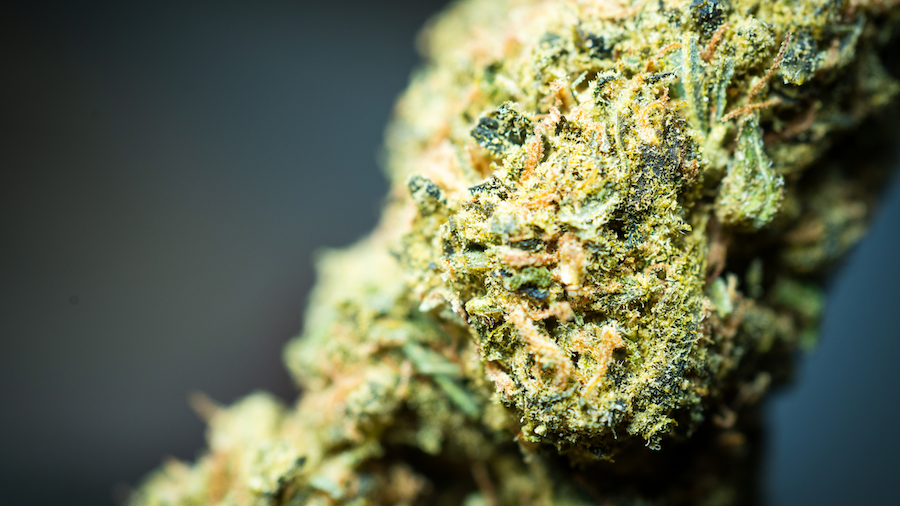
Introduction to CBD & THC Ratios
Anybody interested in cannabis will likely have heard of tetrahydrocannabinol (THC) and cannabidiol (CBD).
These are prominent components of the cannabis plant, crucial to any strain’s makeup.
While CBD and THC offer vastly different experiences, their relationship is more of a yin-yang type arrangement when both are present in a strain. Most people find one balances out the other, providing a more satisfying experience when the ratios are “just right.”
We’ll explore the topic of CBD and THC ratios further below.
What are THC And CBD?
THC is the psychoactive component in the cannabis plant. It’s the reason cannabis users get high.
Typically, the higher the THC percentage in a given strain, the more inebriated it’ll make you. THC’s effects and uses are wide-ranging, given its intense, mind-altering impact.
For many people, cannabis strains containing THC can offset anxiety and depression. It can help with pain and inflammation. Cancer patients often use high-potency THC-infused treatments to offset nausea from chemotherapy. It helps increase appetites in AIDs and cancer patients and stifles seizures in epilepsy patients [1].
However, as the old saying goes, what goes up must come down. Those mind-altering effects can be adverse instead of beneficial.
THC doesn’t necessarily agree with everyone–plus, like any mind-altering substance, there’s always the potential for addiction and overindulgence. People can get overly paranoid, increase their anxiety and depression, and even experience psychosis due to THC. These responses are not the norm–far from it, in fact–but they must be addressed because there’s precedence, and they can happen [2].
Even casual usage of THC has its pitfalls. For instance, you could have a good time at the apex of a high and feel like the burnout was too intense.
CBD is the non-psychoactive component of the cannabis plant. In short, you’re getting all the healing and wellness-boosting effects without the high and the burnout. Nor are you dealing with the anxiety, increased paranoia, or addiction.
On its own, CBD can help with migraines, epilepsy, autoimmune diseases, inflammation, etc. [3]
Yet, CBD doesn’t get you high. For many people, that’s fine. Not everyone wants to have their mind state altered. Nevertheless, the primary draw of cannabis for many people is getting high.
Understanding THC:CBD Ratios
The endocannabinoid system regulates our bodies’ emotional stability, pain perception, and appetite. All of these facets’ responses to cannabinoids are similar [4].
THC and CBD are two cannabinoids that trigger the endocannabinoid system. THC-to-CBD ratios discern how much of each compound is in a given cannabis product.
Mixing THC and CBD together is meant to yield a balancing effect. The idea is you get the “good” psychoactive effects, lessening the chances for the adverse ones while also enjoying heightened effects.
Ratios of THC and CBD vary based on the cannabis strain and its extraction process. Sometimes, THC content is much higher than CBD, more evenly dispersed, or the CBD vastly outweighs the THC.
The Impact of THC:CBD Ratios on Cannabis Product
THC and CBD have synergistic effects. Research indicates this relationship is most potent when used to treat MS and chronic pain. Furthermore, studies show that combining THC and CBD makes each more effective at helping chronic pain sufferers offset discomfort and sleep better than both components individually.
Look no further than our products to find examples of these ratios:
- Branson Harlem’s Fines Flower has 25.66% THC and 0.07% CBD.
- Cookies 2090 S has 20.88% THC and 0.10% CBD.
- Cookies 2090 S Flower has 21.21% THC and 0.04% CBD.
What Is A Good THC-To-CBD Ratio?
The ideal THC-to-CBD ratio will depend on your needs. Below, we’ll examine some use cases.
What is a Good THC-to-CBD Ratio for Pain?
People looking to consume cannabis products for help with pain management can typically look to products with a 1:1 CBD to THC ratio.
People who haven’t used cannabis before should take 7.5mg CBD and 0.75mg THC four times daily.
Depending on your hypothetical pain-based needs, a budtender might suggest 20:1 or 30:1 CBD-to-THC ratios for pain.
Note how finding the best ratio will require trial and error, but budtenders can help guide the process, ensuring it is safe.
What is a Good THC-to-CBD Ratio for Anxiety?
THC-heavy cannabis as medicine has its ups and downs. It can help mellow you out in times of great stress. Or, it can heighten your anxiety, make you more stressed, and trigger a sense of growing paranoia.
The ideal ratio is 10:1 CBD to THC. Once more, it’s wise to ask for advice and experiment until you find the ideal balance. Document the changes you experience with given ratios, and determine which leads to the least issues.
What is a Good THC-to-CBD Ratio for Sleep?
Getting a good night’s sleep when you have insomnia can feel impossible…until you discover your most ideal CBD:THC balance.
Yes, some doctors prescribe sleeping pills–but those can be highly damaging in their effects on your mind and body.
The sedative properties of THC combined with the calming impacts of CBD can help you sleep easily. Experts often suggest a 5:1 CBD to THC ratio in tincture form to help you relax without causing your mind to race or heart to pound.
Legal Considerations In New Jersey
Recreational cannabis sales and possession are legal in New Jersey state for adults 21-plus. However, only CBD with THC levels under 0.3% is legal at the federal level. So, if you’re traveling beyond state lines, be sure it’s only with CBD containing 0.3% THC or lower.
Consuming Responsibly
While the right THC:CBD ratios heighten the benefits of both, overindulgence is never advised, nor is driving while high. Always err on the side of caution and dose in moderation. We like to recommend that you stick to the classic rule “start low and go slow” if you don’t know your tolerance levels.
Conclusion
When THC:CBD ratios are well-balanced for your needs, they can vastly enhance your experience with cannabis.
All the same, safe usage is a must. These aren’t magic bullet cures to your problems. Responsible, moderate, and strategic implementation into your regimen will help you reap the most benefits.
Want to learn more about CBD:THC ratios? Visit Indigo Dispensary today for great product and expert guidance!
Sources
- https://www.webmd.com/a-to-z-guides/medical-marijuana-faq
- https://www.canada.ca/en/services/health/campaigns/cannabis/health-effects.html
- https://www.webmd.com/diet/health-benefits-cbd#:~:text=Unlike%20its%20cousin%20THC%2C%20CBD,diseases%2C%20depression%2C%20and%20anxiety.
- https://www.drgreenrelief.com/blog/thc-cbd-ratios/#:~:text=The%20effects%20of%20cannabis%20on,pain%20relief%20or%20anxiety%20reduction.
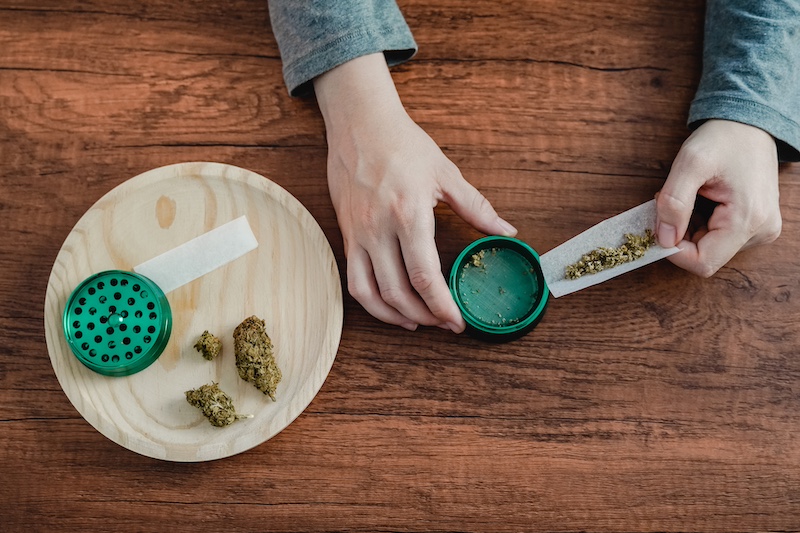
Cannabis Consumption Guide: Understanding Dosing and Tolerance Levels
At Indigo Dispensary, helping our customers enjoy the best possible experience with our adult-use recreational cannabis products is our top priority.
In and of itself, our cannabis selection is top-tier and yields exceptional results. However, we’re discussing an inebriant. Not everybody reacts the same to being high.
Dosages and THC levels impact your response to cannabis, depending on tolerance and how familiar you are with cannabis’s effects. You can be left feeling underwhelmed or overwhelmed to the point of ruining your good time.
Below, we’ll examine the nuanced topic of dosing and tolerance levels to help legal adult users get the most from their cannabis experiences.
What Is “Dosing” Cannabis And Why Is It Important?
Dosing cannabis is consuming it via any number of methods.
You can dose it by smoking cannabis flower in a joint, bong, or pipe. Cannabis concentrates can be smoked in vape pens, larger vaporizers, or dab rigs. You can also bake cannabis into edibles and eat it (often, this is the most intense way to dose cannabis).
Your chosen dosing methods and the amount you dose will impact your high and overall experience.
Too little can leave you unsatisfied, while too much can leave you an anxious, paranoid mess.
On the above note, you’re better off erring on the side of caution. You can always have a little more if your initial dosage is too small. There’s no turning back if you’ve dosed too much.
What Influences Cannabis Dosing?
Surprisingly enough, body weight doesn’t much impact your tolerance to cannabis when smoking it. It’s not the same as drinking alcohol, where you’ll often see smaller people barely able to consume a fraction of larger folks.
Another factor to consider–especially if you’re baking and dosing edibles–is your metabolism. There’s a prevailing belief that those with quicker metabolisms will feel the effects of an edible dose quicker than those with slower metabolisms [1].
Seasoned cannabis enthusiasts typically have increased tolerances for dosing. They’ll also better understand their tolerances and how much they can dose. People new to cannabis usually fare better with lower doses.
Note how cannabis concentrates and homemade edibles will pack a more powerful punch than cannabis flower. Also, cannabis flower with higher THC content can offer a more intense response with lower dosages.
Calculating And Adjusting Doses
Dose calculation isn’t an exact science. Beginners should start small and adjust based on how they feel.
If you’re smoking a lower THC flower (18% or below), take a couple of tokes and see how you feel. Say the THC is 25%-plus. Take a small toke and wait a while before deciding whether another toke is required.
Understanding Tolerance Levels
In short, tolerance levels refer to how high you get off a given amount.
Those with low tolerances don’t require high dosages of THC-rich cannabis products. However, tolerances typically increase the more you consume cannabis products.
As your tolerance increases with cannabis consumption, you’ll need more potent (or higher volumes of) flower, homemade edibles, or concentrates to feel the desired effects.
Managing Tolerance
Some cannabis enthusiasts don’t necessarily mind having a high tolerance. However, many can get frustrated as their tolerance skyrockets. They start needing to spend more on higher potency products or higher volumes. They burn through their stashes because they need to consume more to enjoy the desired effects.
Also, while cannabis has many benefits, consuming too much has many pitfalls. It’s far healthier to partake in cannabis in moderation.
Here are some helpful tips to keep your tolerance in check:
- Remember that less is more. Avoid smoking, vaping, or dosing edibles too much too often. Otherwise, you’ll face the law of diminishing returns. Enjoy your high for what it is, and don’t push too much for more.
- Buy high-potency THC products that don’t demand you smoke too much. You can take a couple of puffs and feel the desired effects, keeping everything in moderation.
- Take tolerance breaks. After extended periods (weeks or months, your choice) of not engaging with cannabis, you’ll find the next time you partake to yield a far more intense and potent high [2].
- Higher CBD-to-THC cannabis products don’t deplete your CB1 receptors as much as higher THC products. Better functioning CB1 receptors help you feel the effects of cannabis more.
Safe And Responsible Cannabis Usage
Safe and responsible cannabis usage is crucial to your enjoyment and fulfillment when consuming such products.
Overdoing it with cannabis often defeats its purpose–to kick back, relax, and better enjoy life’s simple pleasures. Remember, you can always return for more if you aren’t experiencing the desired effects initially. Instead of smoking an entire joint or filling the bowl on your bong to the brim, start with small puffs and see where things go.
Personalizing Your Cannabis Experience
The correct cannabis dosage is a personal matter. As long as you start small and progressively build to higher amounts and increased THC levels, you’ll figure out what works best for your recreational and medical needs.
Always be safe. Consume cannabis around people you trust if you’re initially worried about it. Err on the side of caution and only enjoy moderate amounts to avoid adverse consequences and build from there.
Conclusion
The core tenet of cannabis dosing is starting small and gradually building. Responsible usage and moderation will always foster the most beneficial experiences.
Speaking of beneficial experiences, the cannabis products at Indigo Dispensary are top-tier, promising happy feelings and good times to those who indulge. Check out our menu today to examine our exceptional product selection.
Sources
Mayor Branella Receives State Proclamation Award
Mayor Theresa “Teri” Branella of Brooklawn, NJ receives the State Proclamation Award. During the Brooklawn Fall Festival, Mayor Branella was announced by Senator Nilsa Cruz-Perez and Congressman Donald Norcross. In addition to those present on stage—Freehold Township Commissioners Ed McDonald and Virginia Betteridge.
The community event in Brooklawn, NJ took place during the Brooklawn Fall Festival sponsored by Indigo Dispensary. Hundreds of residents gathered to enjoy fall festivities with stage performances and various activities. Vendors include small business owners who travelled from Philadelphia, Cherry Hill, and even long distances such as New York and Ohio. From wine-tasting to cheese vendors, the festival was sprinkled with artist galleries and cuisine.
Mayor Branella served on Brooklawn City Council since 2001. The Fall Festival is just one of many successes organized by Mayor Branella and her council, which includes Mayor-Elect Julie McCleary. For more information and events happening in Brooklawn, visit Brooklawn’s website here at https://brooklawn-nj.com/.
UPCOMING EVENTS

Indigo Career Fair
Join our first in-house career fair June 1st, 2023. More details to come.

